
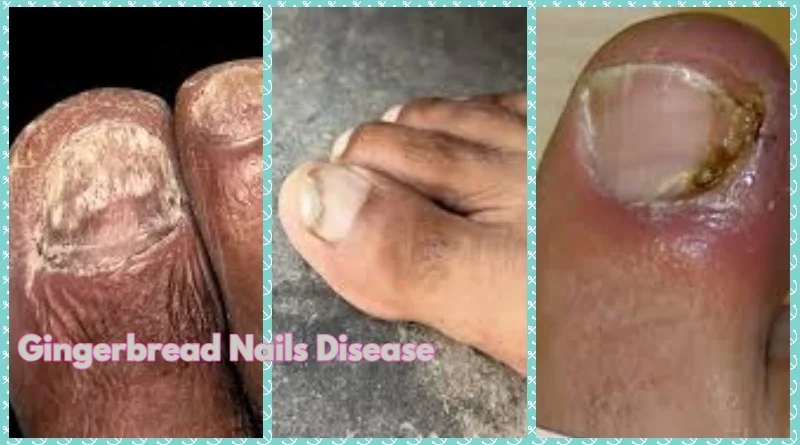
Gingerbread Nails Disease: The Strange Nail Change You Shouldn’t Ignore
If you’ve ever noticed your nails turning oddly shaped, thick, or reddish-brown — almost like the color of gingerbread — you’re not alone. Many people online have started calling this look “gingerbread nails disease.”
It sounds kind of cute, but the truth behind it isn’t so sweet.
In reality, gingerbread nails disease isn’t a new beauty trend or TikTok term — it’s a nickname for a nail condition that might be trying to tell you something serious about your health.
What Exactly Is Gingerbread Nails Disease?
This term describes nails that look swollen, curved, or thickened at the tips — almost like a gingerbread man’s hands.
Doctors usually call this condition nail clubbing.
It happens when extra tissue grows around your fingertips, making your nails curve downward and the nail beds feel soft or spongy. The color may turn reddish or brownish, giving it that “gingerbread” look.
And while it’s not dangerous by itself, it can be a signal from your body that something deeper is going on.
Why Does It Happen? The Real Causes
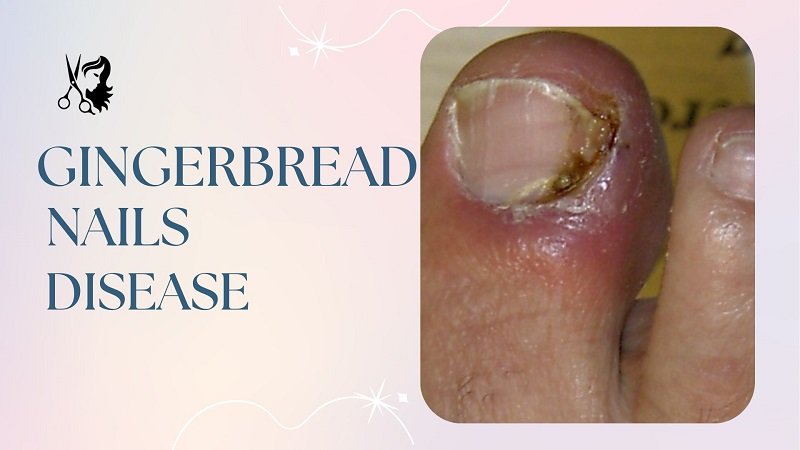
Healthy nails grow from healthy circulation. When oxygen in your blood drops, your body reacts by increasing blood flow to your fingertips — and over time, that makes the tissue swell.
Here are the main causes doctors usually find:
| Possible Cause | How It Affects Nails | Other Signs You Might Notice |
|---|---|---|
| Lung problems (like COPD or lung cancer) | Low oxygen levels cause nail swelling | Shortness of breath, chronic cough |
| Heart diseases | Poor blood flow changes nail shape | Fatigue, chest pain, swelling |
| Liver or bowel diseases | Chronic inflammation affects blood vessels | Jaundice, stomach pain |
| Thyroid disorders | Overactive glands cause swelling | Tremors, weight loss, anxiety |
| Genetic or inherited factors | Family trait, no illness | No other symptoms |
Sometimes, gingerbread nails appear for simple reasons like long-term smoking, certain medications, or even chronic infections. But usually, it’s tied to something your doctor should check out.
How to Tell If You Have Gingerbread Nails
It usually happens slowly — at first, you might just think your nails are growing differently. But a few key signs stand out:
-
Fingertips start looking bulb-like or puffy
-
Nails curve downward instead of growing straight
-
The skin around your nails feels warm or spongy
-
Nail beds look smooth and shiny
-
The angle between nail and skin increases noticeably
If you press the nail tip and it feels soft or springy, that’s another clue you might be developing this condition.
What It Means for Your Health
Gingerbread nails aren’t just about looks — they’re a warning sign.
Your body may be struggling to deliver enough oxygen to your tissues.
This can point toward heart disease, lung problems, or even digestive disorders that cause inflammation.
In some people, it can also appear before the actual disease is diagnosed — making your nails an early alert system your body is using to get your attention.
Diagnosis: What Happens at the Doctor’s Office
Doctors don’t diagnose this condition just by looking. They’ll check your overall health first. Expect things like:
-
Medical history review (lung, heart, thyroid issues)
-
Pulse oximeter test to check oxygen levels
-
Chest X-ray or CT scan if breathing issues exist
-
Blood tests for inflammation or thyroid activity
If they suspect something serious, they’ll dig deeper — but remember, sometimes clubbing is harmless and hereditary.
Treatment: Fixing the Root, Not Just the Nails
There’s no magic cream or polish that can reverse gingerbread nails overnight.
The only real solution is treating the underlying cause.
-
For lung or heart problems, improving oxygen levels is key.
-
For thyroid or digestive issues, medication and diet adjustments help.
-
If it’s genetic, it might stay the same but won’t harm you.
Once the cause is managed, nail shape often improves naturally over time.
It might take months — but healthy nails grow back as your body recovers.
At-Home Nail Care Tips
Even while medical treatment is ongoing, simple nail care can make a big difference:
-
Keep nails clean, short, and moisturized
-
Avoid nail extensions or gels that hide nail changes
-
Eat a diet rich in iron, protein, and zinc
-
Quit smoking — it reduces oxygen flow
-
Don’t ignore changes; early care means faster recovery
When to Worry and See a Doctor
You should definitely book an appointment if you notice:
-
Nails becoming thick, curved, or swollen
-
Shortness of breath or fatigue
-
Unexplained weight loss or chest pain
-
Nail changes spreading to multiple fingers
These could mean something more serious is happening — and it’s better to catch it early.
Most Asked Questions About Gingerbread Nails Disease
1. Is gingerbread nails disease real or just an online term?
The name started on social media, but the nail condition it describes — known as clubbing — is very real. It’s often linked to oxygen or circulation problems.
2. Can gingerbread nails go away naturally?
If the cause (like lung or heart disease) is treated, yes — nails can return closer to normal. But if it’s genetic, the shape usually stays the same.
3. Are gingerbread nails dangerous?
The nails themselves aren’t harmful, but what causes them can be. That’s why you should always get them checked — especially if you also feel breathless or tired.
WRap Up
“Gingerbread nails disease” may sound like another internet buzzword, but your nails don’t lie. They quietly mirror what’s happening inside your body — your lungs, your heart, your health.
If they suddenly change color, shape, or texture, don’t just paint over them.
Take a pause. Listen.
Your nails might be trying to warn you long before anything else does.
Because sometimes, what looks small on the surface — is your body’s biggest signal that it’s time to care a little deeper.
For maore information and suggestions please Contact Us.
